
This guest post is written by Paul Frew.
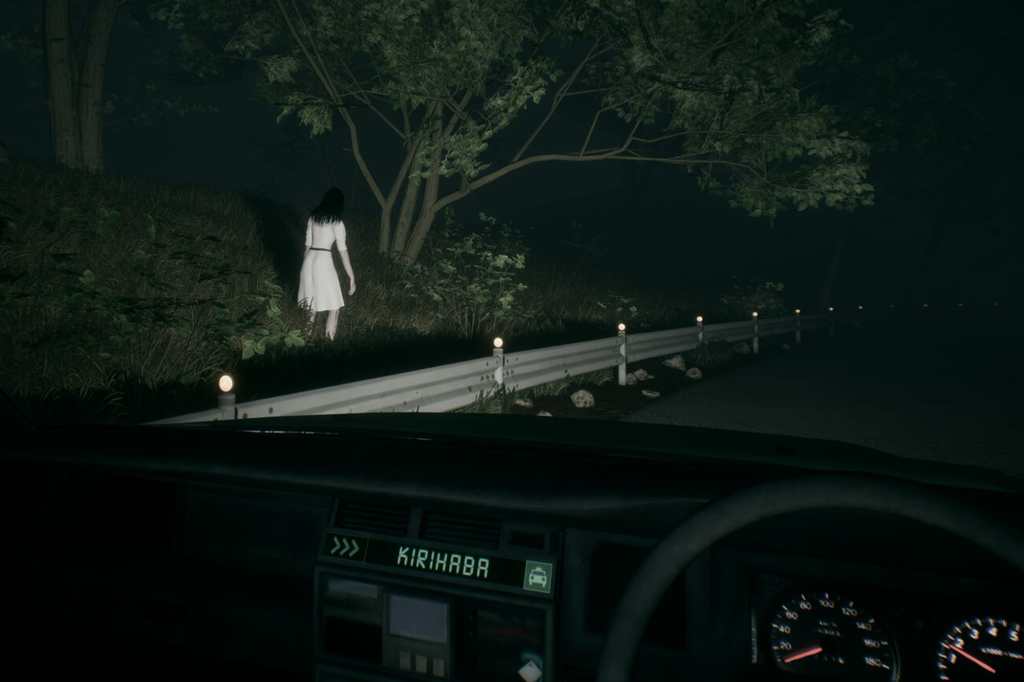
If horror movies have taught me anything, it’s to not take the job as a hotel caretaker in the winter, avoid talking to clowns hanging out in the sewers, and never drive down the creepy road (even if Google Maps says it’s the fastest route). The last one is impossible to avoid in Endflame’s newest title, “Silent Road”.
It’s a first-person, psychological horror game in which you drive down some of the eeriest roads in one of Japan’s most haunted forest regions. Who would think of such an idea? I had a chat with the developers and co-founders of Endflame, Guillem Travila Cuadrado and Laura Ripoll Galan, to find out how they came up with “Silent Road”.
A Very Specific Setting
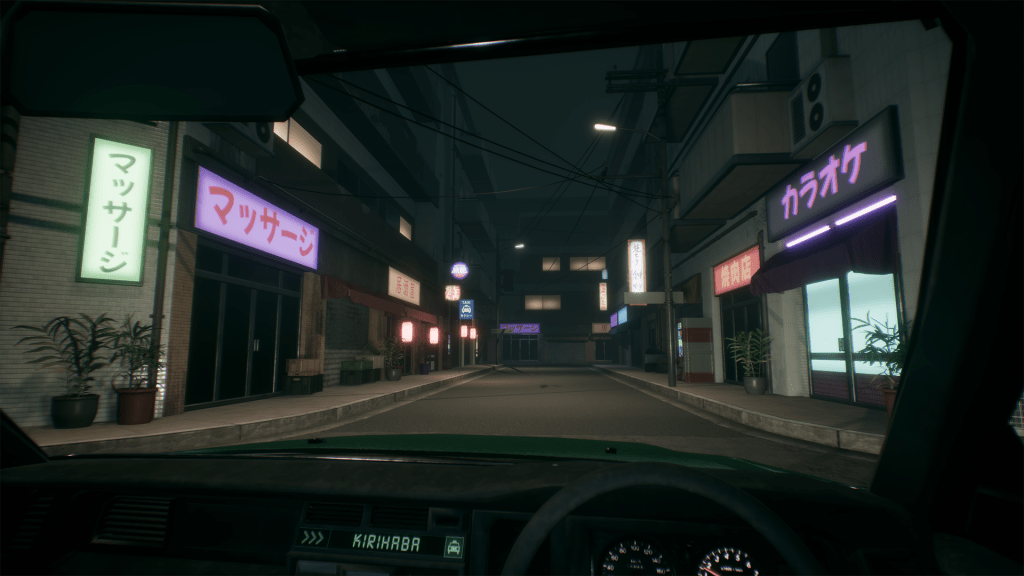
“We’ve always loved Japanese horror, and we realized that the genre allows small teams like ours to create impactful, memorable experiences,” Guillem explained. “We had both the passion and the skills, which made it a natural fit for us. At the same time, as players, we felt that Japanese horror was underrepresented compared to other themes and settings within the horror genre, so we wanted to contribute something that added more diversity.”
“Silent Road” isn’t the first time Guillem and Laura have dipped their toes into the horror genre. Endflame’s first title, “Ikai”, took place in feudal Japan and focused on yokai legends. “Silent Road” switches it up by taking place in the modern day. You’ll play as a night-shift taxi driver who picks up passengers and ferries them along foggy forest roads and isolated villages.
It’s nothing like “Crazy Taxi”.
The longer each fare lasts, the quicker you descend into a spiral of paranoia, grief, and fear that everything is not as it seems.
“We wanted to return to the horror genre and offer the audience that discovered us through ‘Ikai’ something familiar, but with a fresh perspective,” says Laura. “This time we wanted to surprise the players with a new angle while keeping the atmosphere they love, with a modern world haunted by the ancient legends of a forest marked by death.”
The Forest Through The Trees
The forest Laura mentions is just as much a character in “Silent Road” as the passengers. It’s a fictional location, but inspired by Aokigahara, found at the base of Mount Fuji and known for its tragic history. By the time you see the first tree in “Silent Road”, you can’t help but feel it’s populated with spirits who want you to become one of them.
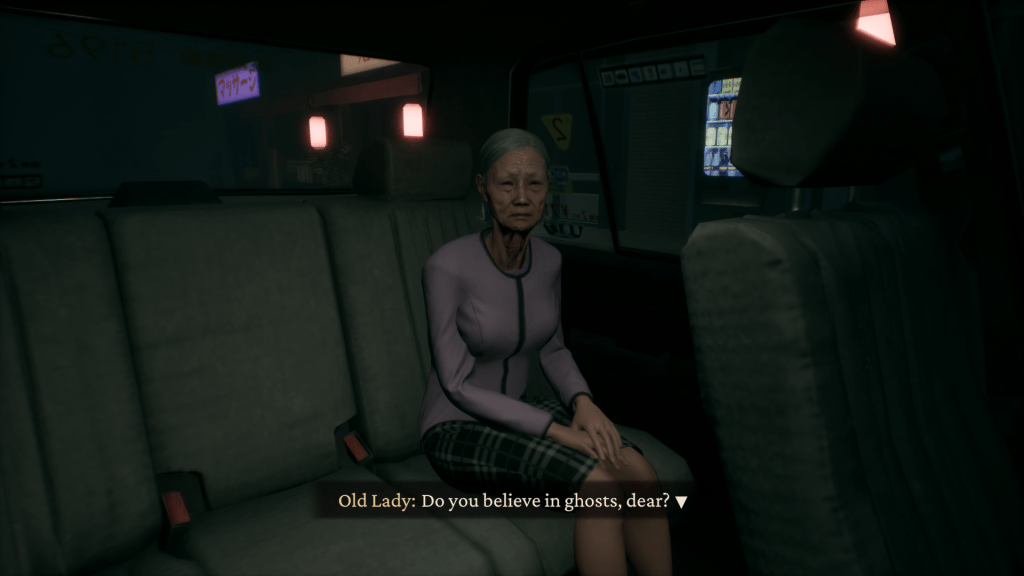
“Silent Road” isn’t just another jump scare game, though. It’s a slow burn experience that builds tension. While you’re driving, conversations with passengers start up naturally, stories are shared, and questions are asked. Then the silences get a little too long for comfort. As you go deeper into the forest and villages, the weirder these interactions become. Personal tragedies and unresolved regrets emerge, which are by design, according to the developers.
“We wanted the story to resonate on a deeper level, and exploring darker subjects allowed us to give the characters real struggles and emotional weight,” Guillem says. “This gives the narrative greater meaning, and through it, we aim to raise awareness of the importance of these issues.”
Situations escalate when some passengers ask you to pull over or step out of the taxi to help with a task. Be warned, your smartwatch might show a spike in your heart rate during these moments. When you’re out in the open, it’s just you, the fog, and the village, which is always a little too quiet. You know something is about to happen, but you just don’t know what or when. It’s one of the aspects Guillem and Laura believe is critical to creating a great horror game experience.
At Its Own Pace
“Pacing is absolutely crucial,” explains Laura. “A strong horror experience needs a carefully crafted atmosphere supported by visuals and sound, but pacing is what allows you to guide the player’s emotional journey. When the rhythm is right, you can anticipate how the player is feeling and shape the experience to reach the level of tension you want. It’s a difficult balance to achieve, but when it works, it’s what truly makes a horror game stand out.”
Finding new and creative ways to scare people isn’t an easy task, especially when classic titles like “Silent Hill” and “Fatal Frame” exist. While these games are inspirations for “Silent Road”, you can tell from the trailer that Endflame is trying to do something different and more methodical.
“We began by carefully analyzing the player’s perspective and their understanding of the game at each stage,” describes Guillem. “New ways to scare then emerge naturally from what feels most appropriate, taking into account factors such as the pacing curve, the player’s prior experiences, the story up to that point, and what lies ahead. From there, we experiment with different techniques according to the intention of each scene, ranging from subtle atmospheric shifts that build tension to sudden jump scares that release it.”
Stay Sharp
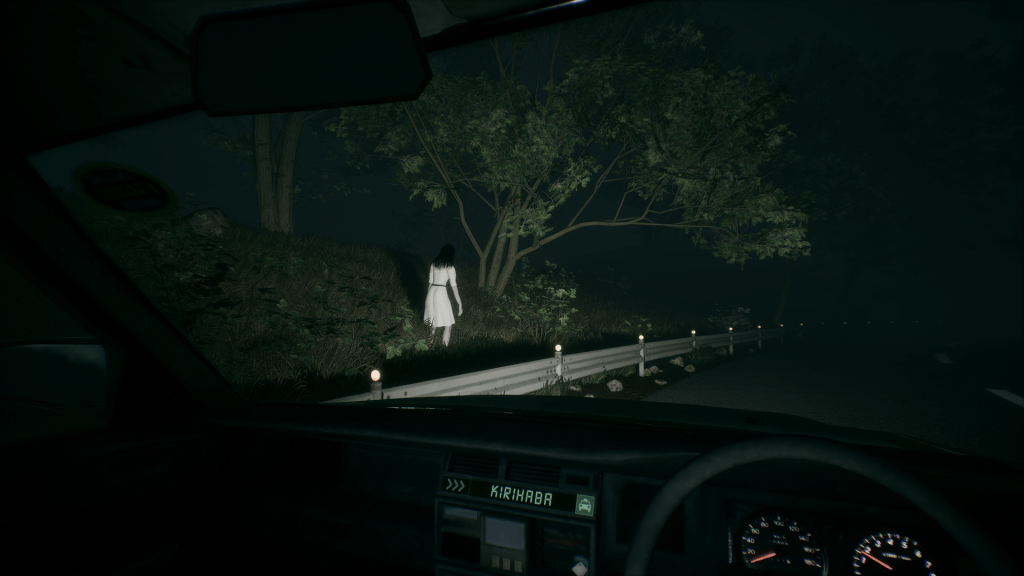
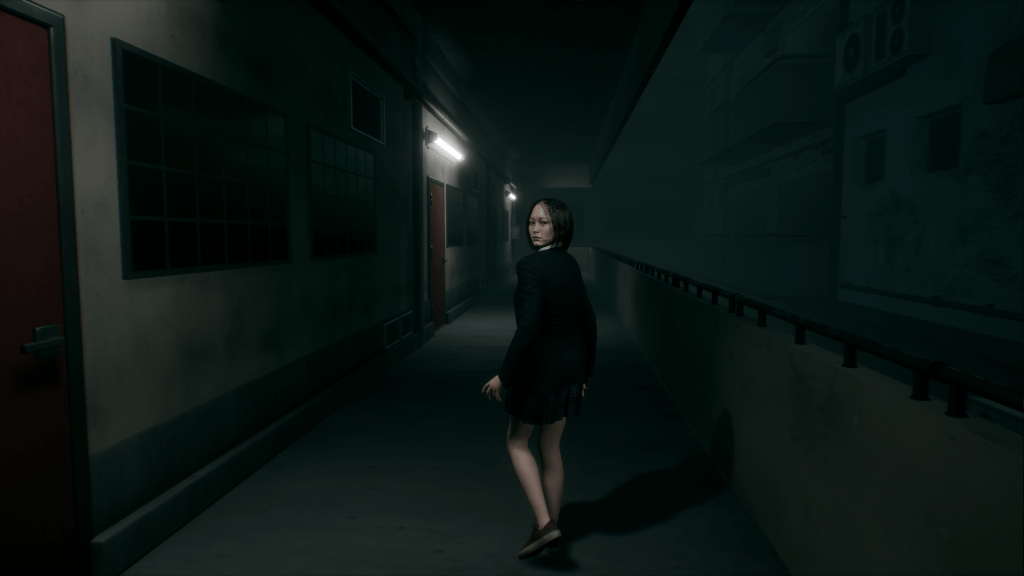
“Silent Road” feels like a game where you have to be on your toes. The first-person perspective literally puts you in the driver’s seat. You not only need to keep an eye on the passenger but also pay attention to what’s going on outside the car. I get that some people like to go for a night run. However, the ones I saw creeping along the side of the road didn’t look like they were trying to achieve their New Year’s resolutions. As scary as they are, I get the impression it won’t be the only thing that sticks with me when I play “Silent Road”.
“We’d like players to feel a strong connection to the characters and their stories, and to carry that experience with them after the game ends,” the developers say. “If they think back on ‘Silent Road’ in the future, we hope what lingers is the emotional impact of the narrative.”
“Silent Road” is in development for PC, and is available to wishlist on Steam. A demo is planned for the near future.
Image credit: “Silent Road,” Endflame


 Video Game Town