
This guest post is written by Michaela El-Ters.
There are few video games that have impacted my life as much as “Final Fantasy IX” has. One of the earliest memories I have is being curled up on the couch, my eyes glued to the television screen as my brother played through the game. I remember being surprised at the final cutscene when Garnet leapt into Zidane’s arms and punched his chest, overjoyed, shocked, and even furious with him. I remember Zidane’s reaction, wincing at each punch before holding her close and gently stroking her hair.
Without any dialogue, their actions conveyed their emotions beautifully, and that single moment was burned into my mind and heart like a brand. It stayed with me, even as I got older and the rest of those memories faded with time.
Years later, when I finally played “Final Fantasy IX” as a teenager, I was quickly charmed by the game’s eclectic cast of quirky, memorable characters. I loved exploring the sprawling medieval fantasy setting of Gaia. It didn’t take long for me to be deeply invested in the game’s surprisingly dark story and themes. “Final Fantasy IX” is a thoughtful exploration of genocide packaged with a heavily stylized art style, allowing it to seamlessly switch between humorous gags and serious moments without missing a beat.
At the center of this perfect balancing act is the main character, Zidane Tribal. Zidane is a heroic, swash-buckling thief who hopelessly flirts with every girl he sees. It’s almost comically stereotypical. Fortunately, Zidane is far more nuanced than he may first appear to be. His famous quote, “You don’t need a reason to help people,” perfectly represents his character and role in the story. Zidane serves as an anchor for the rest of the party, helping them shoulder their burdens with unflinching loyalty and integrity.
Zidane comforts Vivi when he questions his existence by helping him find purpose in life. When Garnet is drowning in grief and sorrow after her mother’s death and the attack on her kingdom, he sympathizes with her and allows her to grieve at her own pace. Zidane pushes Steiner to think outside of his narrow worldview, and when Freya’s home is invaded, he follows her into danger without hesitation. Zidane deeply cares about others and is always willing to help, without asking for anything in return. It’s his nature.
What separates Zidane from the typical goody two-shoes JRPG protagonist is the surprising loneliness he carries. When Zidane finally does open up about his past (framing it as a bedtime story about “a man”), there is an inherent isolation to the story he tells. He describes his desire to find the place where he was born, but he searched far and wide on his own. He doesn’t explicitly say that he left because he didn’t want to burden his found family, but it’s implied through his actions. Zidane often gives the very help and support that he desperately needs, but doesn’t ask for or think he deserves. It’s an important detail that pays off later when Zidane finds himself in a crisis that he can’t overcome on his own.
Throughout “Final Fantasy IX,” players witness how Zidane holds the party together through his compassion and caring personality. When the group arrive in the otherworldly, futuristic world of Terra, Zidane is faced with the startling truth about his origins. He finally found the home he had been searching for, but that came with the painful realization that he was created to cause destruction. The very compassion and kindness that Zidane embodies is challenged by the reason he was created as an Angel of Death.
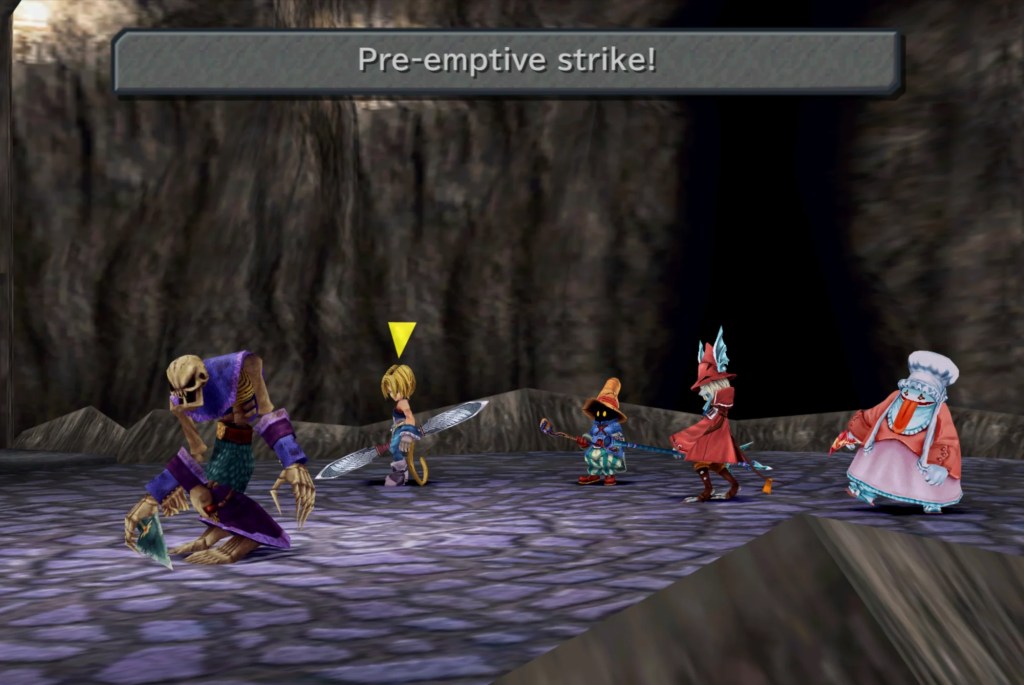
In a moment of crisis and despair, Zidane pushes everyone away, thinking he deserves to be alone. It’s heartbreaking to watch, and it’s this buildup that makes the “Not Alone” scene so impactful and beloved. In a series of battles through the hellish Pandemonium, each one of Zidane’s party members stand by his side. They refuse to leave him, even as he lashes out with uncharacteristic harshness. When he finally realizes that he is deserving of their genuine love and care for him, he is able to overcome his inner turmoil and emerge a stronger and better person for it. In Zidane’s darkest hour, he finds solace with those he loves.
“Not Alone” is a gripping and powerful scene that continues to resonate with me as an adult. Not just for the brilliant, full-circle character writing and beautiful music. As an adult, “Not Alone” carries new meaning for me. Zidane’s journey is deeply relatable. It’s a lot easier to put others first than it is to be vulnerable and accept help. But overcoming that fear and leaning on others instead of pushing them away is a lesson we need more of, perhaps now more than ever. When the world feels like it’s against you–as ours very much feels like now–love, kindness, and compassion are the greatest tools at our kit. Forming powerful bonds and connections really is life-changing and soul-saving.
“Final Fantasy IX’s” depiction of life, death, loneliness, and friendship has always been remarkable. But it carries new meaning and weight for me. I find comfort in its earnest hopefulness and warm sincerity. Kindness, compassion, and helping others because it’s the right thing to do aren’t weaknesses to be tamped down. In a world where we are perhaps more isolated and alone than ever, “Final Fantasy IX” is a beacon of light. It inspires me to be a better person, not just for myself, but for everyone I love and care about.
Image Credit: “Final Fantasy IX”


 Video Game Town
Leave a Reply