
This guest post is written by Hector Cervantes.
Editor’s note: “Pokémon Go” seems, at least in part, to be a massive data collection system to train AI for drones.
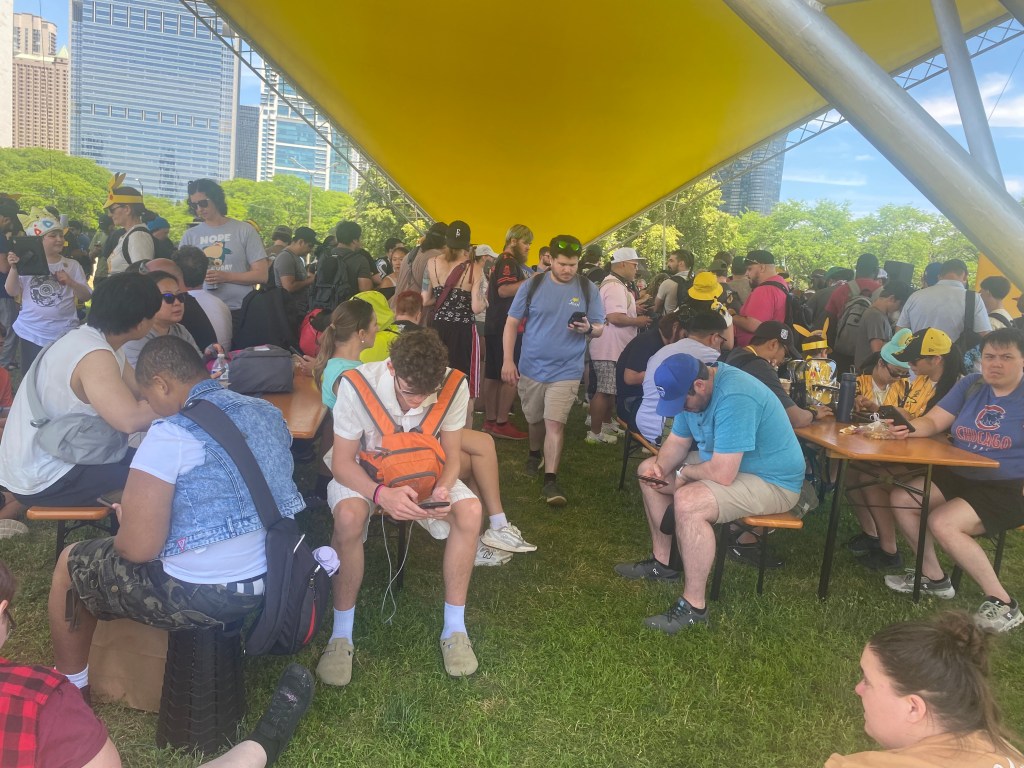
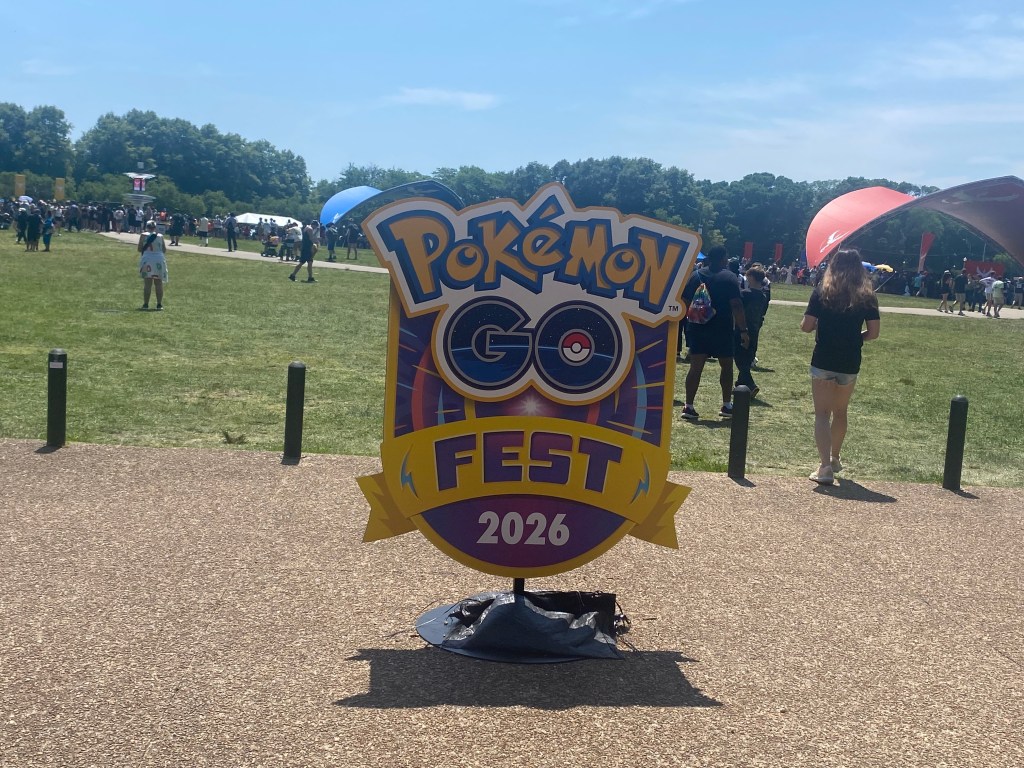
People of all ages, whether they were kids, teens and adults stood shoulder to shoulder chanting in Pokémon hats, shirts, and merch, with their phones out. Excited cheers and chatter was the mood at Chicago’s 2026 “Pokémon Go” Fest.
“Pokémon Go” is played by using a smartphone’s GPS to explore real-world locations where virtual Pokémon appear on the map. Players walk to different areas to catch Pokémon, collect items from PokéStops, and battle at gyms against other players.
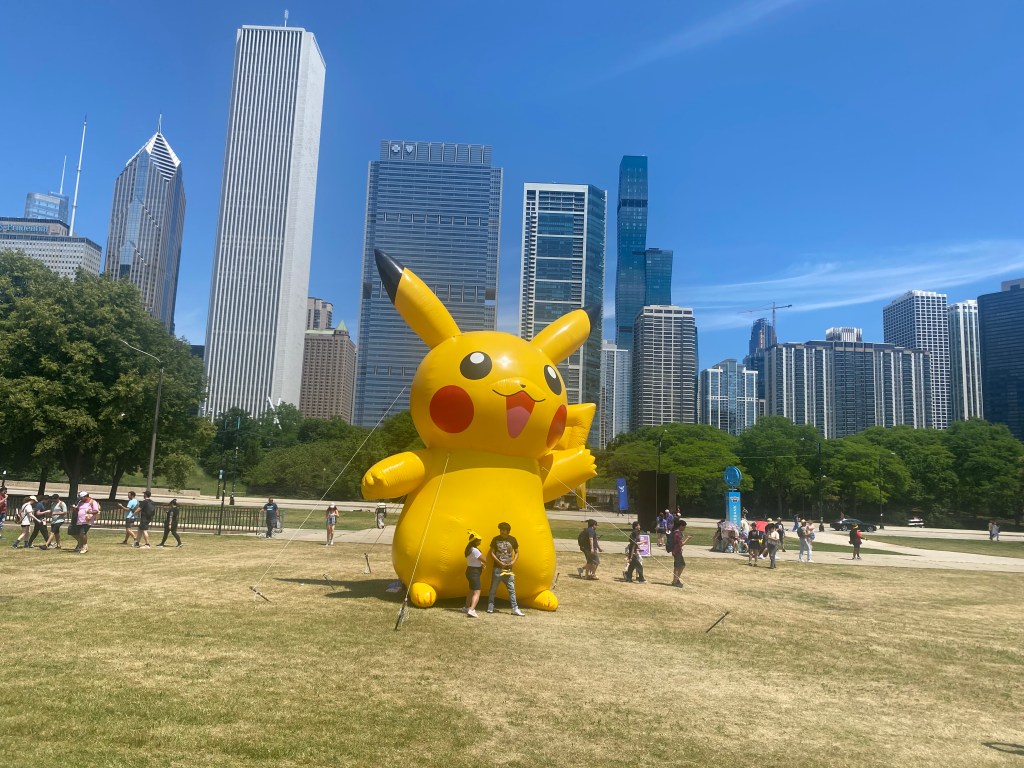
That same real-world exploration and catching mechanics in “Pokémon Go” carry over into the festival experience, where players gather in person to complete challenges, meet other trainers and encounter rare Pokémon together. The “Pokémon Go” Festival in Chicago took place in Grant Park from June 5–7, bringing thousands of players together for its first return to the city since 2019.
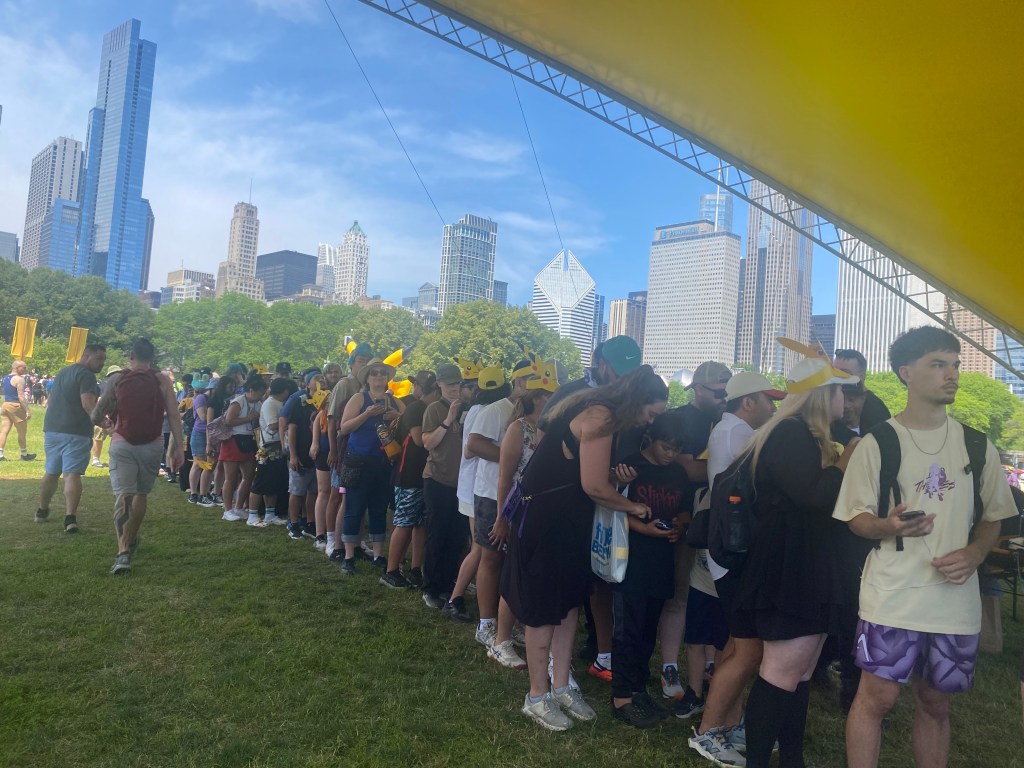
According to CBS News Chicago, anyone who attended “Pokémon Go” Fest in Grant Park over the weekend was part of a record-setting crowd. The event drew massive numbers, with more than 103,000 tickets sold across the three-day celebration. Trainers collectively caught over 14 million Pokémon within Grant Park alone and that the turnout was so significant that it set a new North American attendance record for the festival.
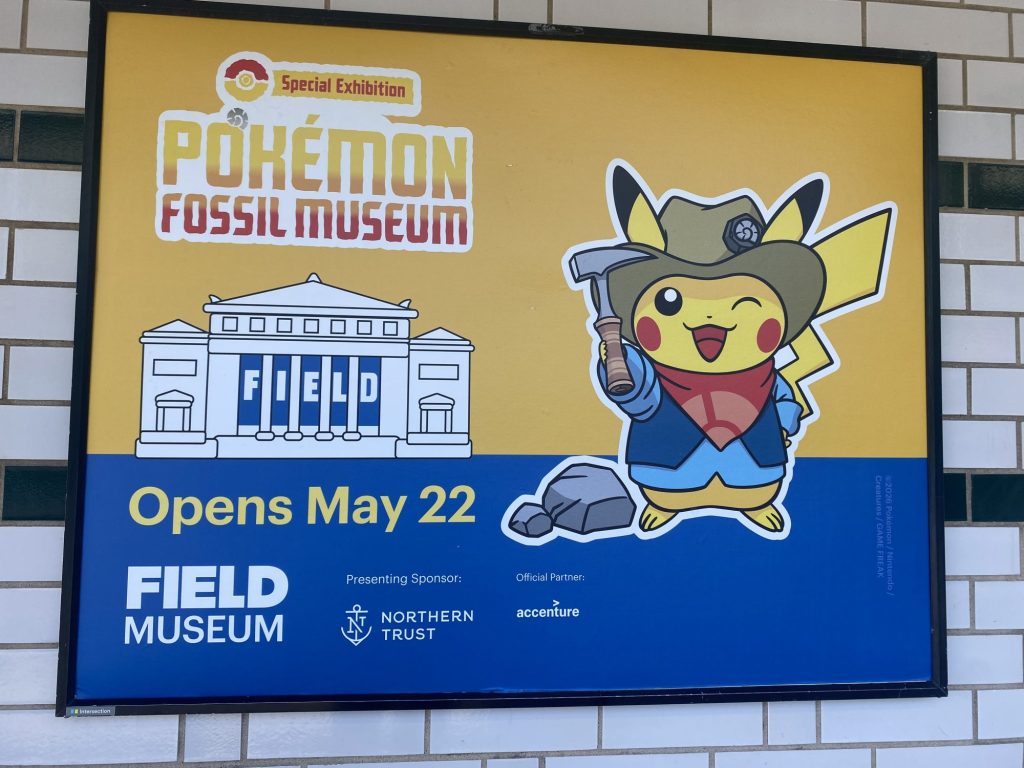
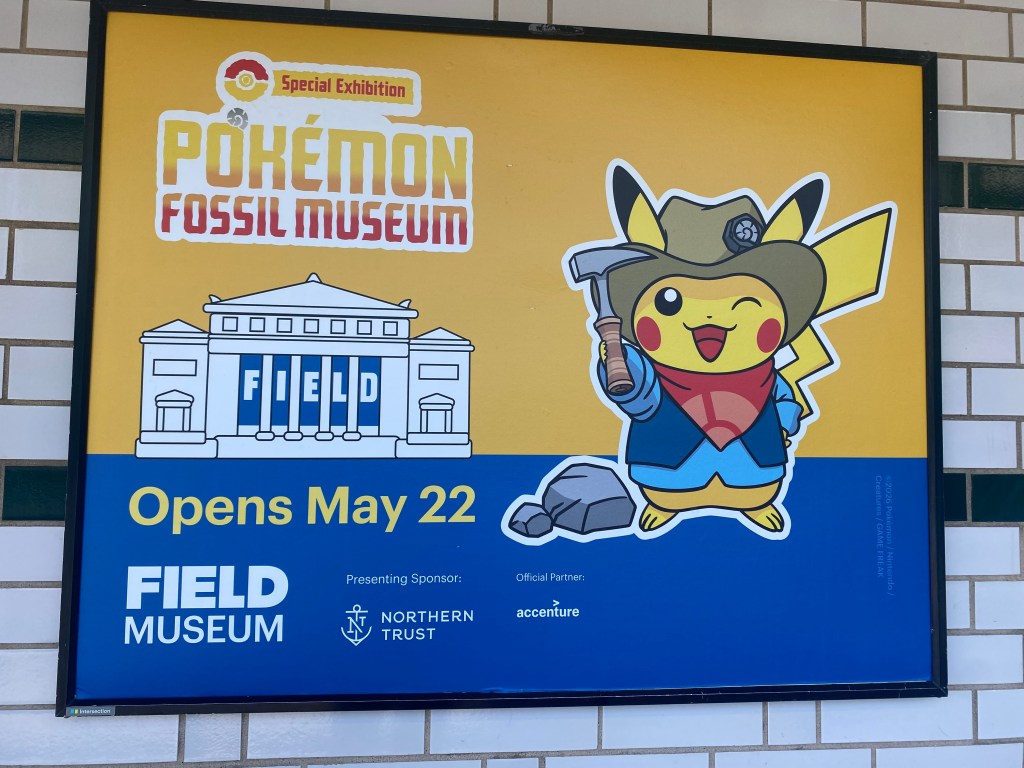
The “Pokémon Go” Fest in Chicago lined up with the launch of the Pokémon Fossil Museum at the Field Museum, which opened in May 2026 and will run through the summer and into early fall.
David Lee is a dedicated fan of “Pokémon Go.” He traveled from Toronto to attend the Pokémon GO Fest in Chicago, marking his third consecutive year participating in the event. Lee discussed that he came primarily for the festival experience after attending previous “Pokémon Go” Fest gatherings in the New York and New Jersey area.
Lee said he caught several shiny Pokémon during the festival, including a shiny Museum Pikachu, a special Pokémon tied to Chicago’s Field Museum. He added that he and his group stopped by the museum but were unable to go inside because tickets had sold out.
“We’re all too focused on playing the game on our phones, but when we do interact, it’s always positive. The community on the Discord group is great as well, with a lot of active members. If we have questions, we ask them there and everyone helps answer them. In fact, I met up with a friend from Discord just a few minutes ago.” Lee said.
Real-World Movement With Social Connection
According to Business of Apps, “Pokémon Go” is most popular in the United States, Brazil India, the UK and Japan.
When asked what “Pokémon Go” says about the relationship people want to have with technology today, Lee responded with how technology is everywhere. He added that while people use their phones daily, the game encourages them to get outside, walk around, and explore.
Similarly, the appeal of the game is both physical and social for Beau Blankemship, who was spotted playing “Pokémon Go” in Lincoln Park on Thursday, the day before the festival officially began as players enjoy getting outside for exercise while also building connections and friendships through shared experiences and community events.
“At these events specifically, you meet people. This is a friend we just made playing Pokémon today. We’ve walked around with him all day and have a new buddy; We’re going to play with him tomorrow. The community aspect, I think, is just as big as the being outside and getting exercise aspect, both involve being outside and meeting people,” Blankemship said.
According to Lee, the social aspect of “Pokémon Go” is one of its biggest draws. He said players frequently gather to tackle gyms and search for Pokémon together while exploring their surroundings.
“I think a lot of people from other countries do come here just for “Pokémon Go” itself. It still has a huge following, as you can see,” Lee said.
Reliving the Summer of 2016 Through ‘Pokémon Go’
For many players, “Pokémon Go” is more than just a game, it’s something they’ve grown up with, connecting childhood memories and the 2016 launch of the “Pokémon Go” game.
“I was born in 1999 and ‘Pokémon’ came out around that time, so I’ve pretty much grown up with it,” Blankenship said. “I’ve been watching the show for as long as I can remember, probably since I was 4 or 5 years old. I played the games, watched the show and collected the cards too.”
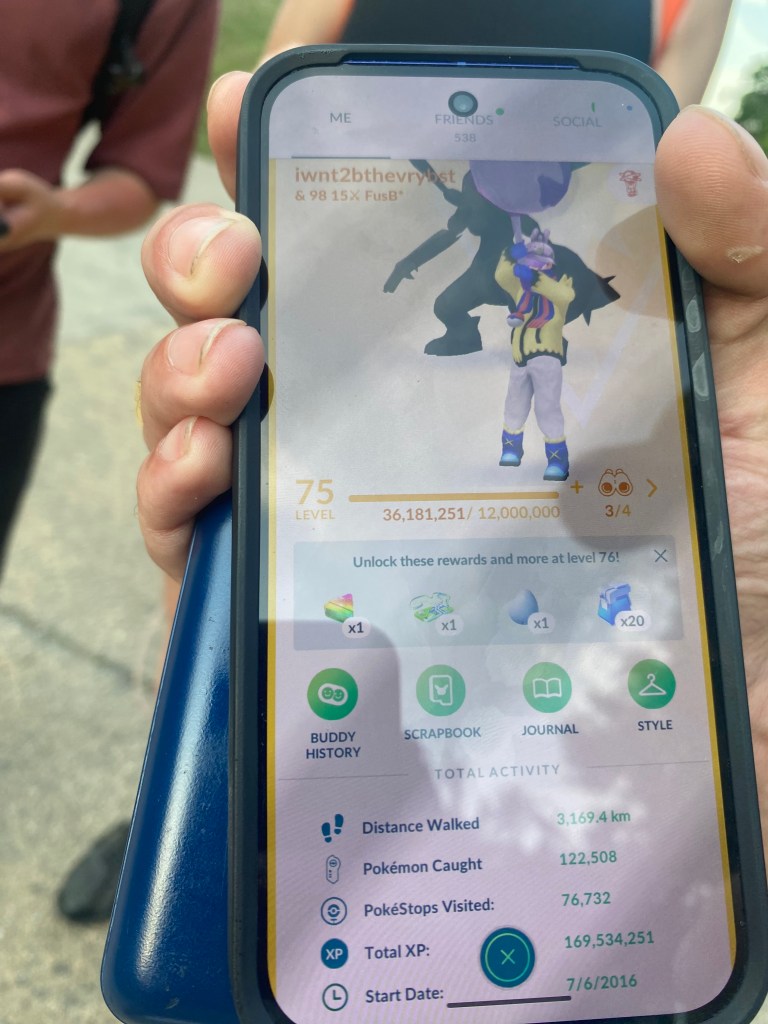
Blankemship said he has been playing “Pokémon Go” since the game first launched in the summer of 2016. One of the oldest Pokémon in his collection dates back to July 16, 2016, a reminder of how long he has been part of the game’s community. Nearly 10 years later, he is still playing and enjoys seeing how the game continues to bring players together.
A 2025 study by Jaakko Suominen found that much of “Pokémon Go’s” early success was fueled by nostalgia. The game gave many players a chance to reconnect with a franchise they loved as children, blending memories of Pokémon with a new mobile experience that quickly became a cultural phenomenon in the summer of 2016
Ten years later, 2016 has become a major wave of cultural nostalgia, with people revisiting its viral social media trends, tropical house pop hits, and a sense of pre-pandemic digital optimism. The “2016 aesthetic” includes early Instagram-era curation, Snapchat filters, and fashion trends like chokers and bomber jackets, alongside memorable slang and internet memes. It was also the year “Pokémon Go” took over the world
“’Pokémon Go’ definitely ruled the summer of 2016,” Blankenship said.
Hayley Pisker is a “Pokémon Go” player from Brookfield, Illinois, who traveled to Chicago for the “Pokémon Go” Fest. She said she has been playing since shortly after the game launched in 2016 and has stayed engaged with it ever since.
Pisker described attending the event in Chicago as a “full circle” moment, given her long connection to the game and its origins.
“I think (“Pokémon Go” players) appreciate this festival because it makes them get outside rather than staying inside on a screen. It’s like a give and take. You’re still on the screen, but you’re also outside. It’s just a lot of fun. It really brings me back to the good old days,” Pisker said.



 Video Game Town