This guest post is written by Katya Ryabova.
Gamescom is the biggest video games conference I have attended to date, and the first international one I’ve gone to. Its sheer size and scale opened doors for me that I couldn’t even imagine existed, as a freelance journalist from Canada who, by all measures, is just getting started in the industry.
I was excited. I was dazzled. I drank the free coffee. I filed the drafts.
Somewhere along the way, I also recognized that while I was enjoying it, I was not buying it. At least not all of it. Especially not the money spent on presentation and glitz to smooth over the rough edges of shady deals, brutal layoffs, and the reality of the average consumer not giving a damn about ethical standards or moral principles as long as the gameplay is tight, bro.
I’m writing this not as a grandstanding attempt to appeal to gamers to look beyond the surface of their entertainment (not this time, at least), but as a call-in for other journalists who manage to do so to examine the media they (we) cover critically and intersectionally. Gamescom is the perfect training ground for that, because, good lord, the amount of money studios, publishers, and suppliers throw at this thing is astounding and, in some cases, unsavory.
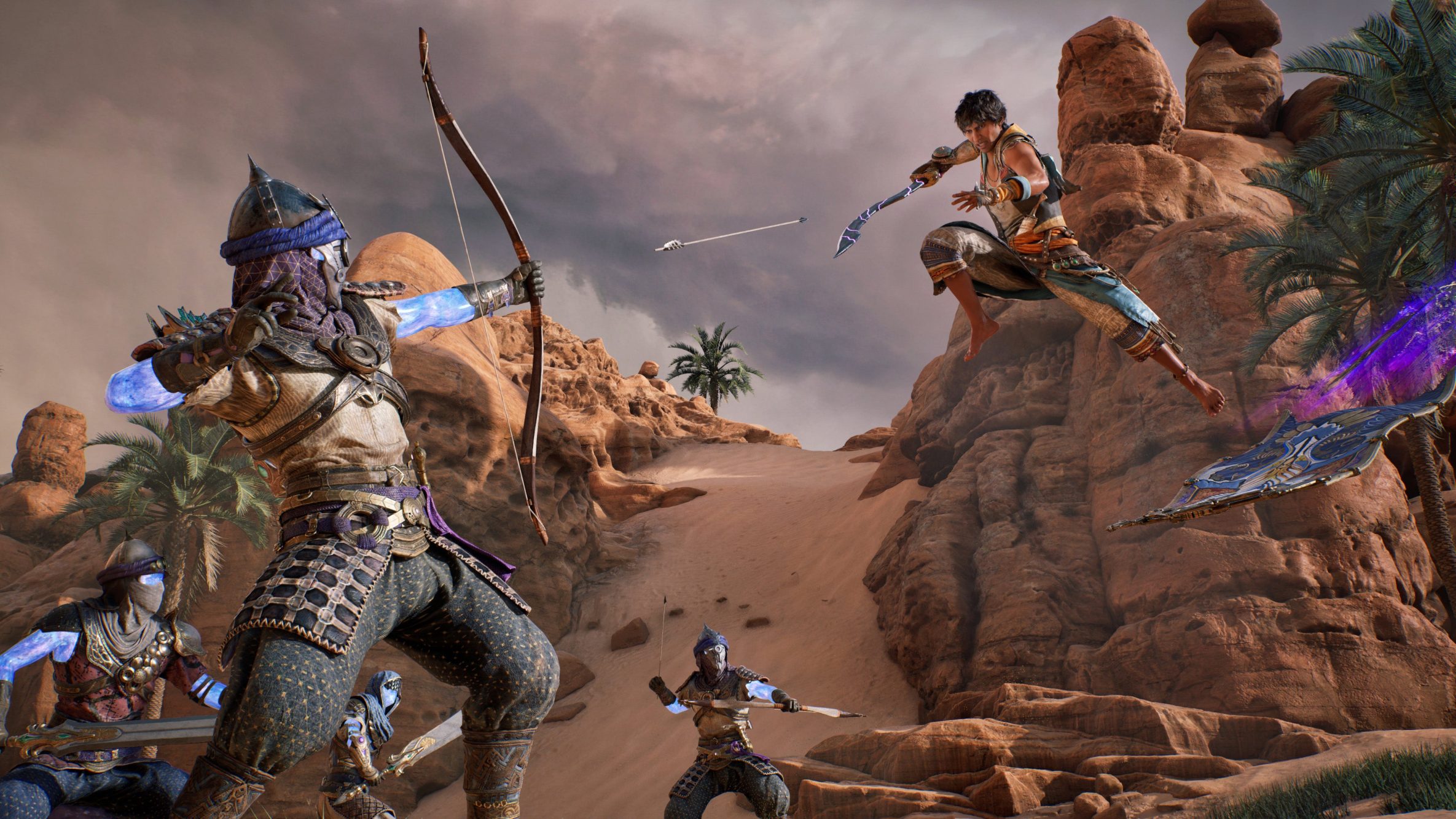
I have a particular example in mind, and it’s not pretty. The game itself is, unfortunately. As a gamer, I would be very excited about “1001 Threads of Mizan,” revealed during the Opening Night Live at Gamescom 2026. As a journalist, I am skeptical and dismayed.
From the beginning, the game was shrouded in mystery. I booked the press appointment blind at the insistence of the PR firm, who were “concerned over leaks.” All I knew going in was that the game was “a big-budget, three-player co-op action-adventure game made by vets from various top-tier Western developers.” Once it was revealed to be “1001 Threads of Mizan,” I considered cancelling my appointment. Not because I had known that something was off — I didn’t yet — it didn’t sound like my kind of game, with its co-op focus and whatnot. I should have looked at the press release more carefully but didn’t.
I ended up having a blast playing the demo, and was initially excited to write about it. However, chatting with Lars Bonde, ex-Epic Games and Ubisoft Creative Director of “1001 Threads of Mizan,” I asked him an innocuous question about the funding behind the game. The polite evasion in place of an answer set off alarm bells during what was otherwise a very pleasant final chord to my Gamescom preview schedule.
At last, it clicked for me what MBC Game Studio was and who, ultimately, was paying for this extremely expensive, beautiful, massive-budget AAA title. Looking at the press release for “1001 Threads of Mizan” confirmed the obvious: the game is “backed by MBC Group, the largest media company in the Middle East.” One doesn’t need to dig very far, or at all for that matter, to learn that MBC is majority-owned by the Public Investment Fund of Saudi Arabia and controlled by Saudi Crown Prince Mohammed bin Salman.
You can argue that they’re not trying to hide anything. It’s all there in polite PR wording. But talking to Bonde after the demo, I could hear as plain as day how hard he was trying not to mention anything direct about the game’s financing or the studio’s founding origins. Repeatedly, he mentioned “backers” and “partners”, but never once offered anything more specific. “We’re in a very fortunate position, I will say that,” was the most I could get out of him.
After my appointment, I was offered a lavish gift bag with a truly impressive collection of stuff inside, a far cry from stickers and magnets of more humble exhibitors. Thoughtful, curated, expensive. And why not? When the money is no object, why wouldn’t you go all the way for your press event, from hush-hush appointment scheduling to gilded coffee pots?
It is, perhaps, a function of this big budget to pay through the nose for commercial presence and be generous with gifts. The blatant display of wealth was probably not meant to obfuscate the funding source — not directly. It’s all there in the press release, if only you look. However, I must ask who it is ultimately for. If it worked to distract any players, press included, from asking too many uncomfortable questions, then it served its ugly, if unintended, purpose.
Playing back the recording of my interview with Bonde, I regret not pushing back more, as other journalists did. This is perhaps my inexperience showing — and the part where Gamescom is a big learning opportunity for newer reporters like me. Hearing the BS in person, or the evasion, as it were, was an excellent exercise in looking beyond the PR mouthpiece talking points and deflecting attempts to be turned into one myself.
The game is fine. Fun, even. The flying carpets are a nice touch. Maybe it’s no big deal for some players that the Saudi royals are behind it, no matter how independent Bonde claims it to be, but it is for me. I’m shredding my chances of receiving a review code for it as we speak. I won’t buy it. Plenty will anyway.
I took the PIF-funded gilded coffee pot home — my reminder of difficult conversations about video games yet to come. All that glitters is not gold, no matter how much I still love gaming’s glitz and glamor.
Image credit: “1001 Threads of Mizan”